The Case Against Fouling the Breakaway
A trailing defender almost always fouls the attacker before the shot on a breakaway. I don't think the numbers back that instinct up.
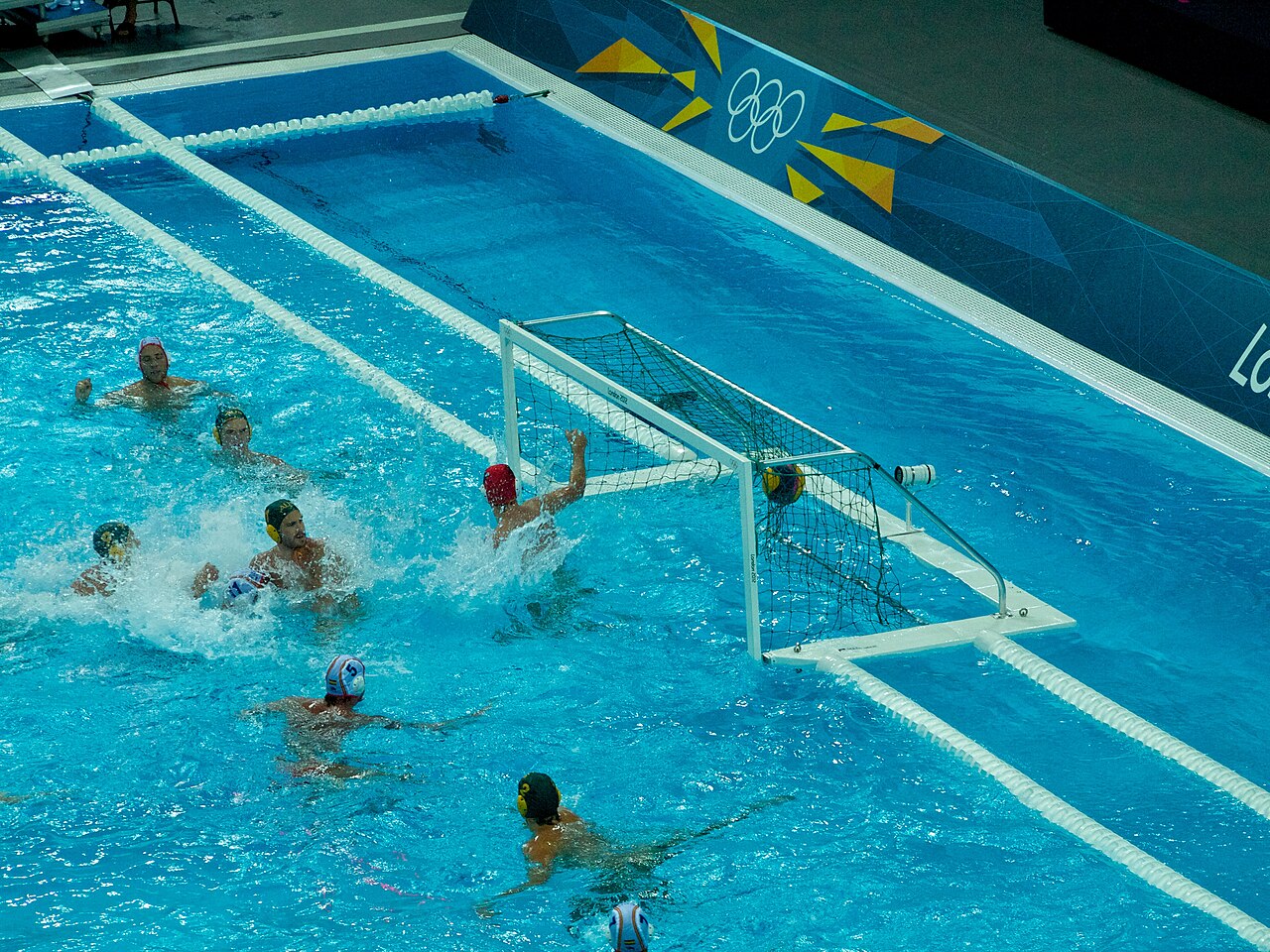
There's a moment I see mishandled often in games: a counter-attack breaks clear, and a player ends up either fully one on one with the goalkeeper or one on two with a defender trailing behind. When there's a trailing defender in that second scenario, the instinct is almost always to foul the attacker before the shot goes up.
Why the foul usually doesn't make sense
I think that instinct is wrong, for two connected reasons. First, it assumes the resulting penalty is statistically less likely to be scored than the shot the attacker would otherwise have taken. I don't think that's true as a general assumption, though it clearly depends on the specific goalkeeper: a keeper who saves penalties well makes conceding one worthwhile, and one who doesn't makes the foul harder to justify. Second, and separately, the foul guarantees the defender an exclusion they wouldn't otherwise have received at all.
Starting purely from goal probability, I don't think there's good reason to believe a one-on-one carries a meaningfully different scoring rate than a penalty. That's before accounting for the fact that a defender swimming back into the play isn't limited to a binary choice between fouling and doing nothing. They can apply real pressure without giving away the foul: cutting the attacker off from the centre of the goal, forcing the shot to the nearer side, where the angle is tighter and a goalkeeper can, in theory, cover more of the frame.
Watching these situations closely, very tight-angle one-on-one chances don't get scored nearly as often as people assume. If that holds, it would suggest a defender has a reasonable chance of the goalkeeper saving the one-on-one regardless of how good that goalkeeper is at stopping penalties specifically.
Treat both as high-value chances, and choose accordingly
Even setting that aside, I'd treat both a penalty and a clean one-on-one as high-percentage scoring opportunities, whichever one turns out to be slightly higher. Given that, it's hard to see the logic in a defender choosing the option that also costs them an exclusion for no clear gain. Most players go through a match without picking up three exclusions, but as a general rule, taking one you didn't need to is a worse way to play the game than avoiding it.
From a goalkeeper's own perspective, I think most would rather face the shot than have a penalty awarded against them, not least because a fouled attacker often produces a worse shot than they would have taken cleanly, one the goalkeeper saves anyway. It's a fine line between applying pressure and committing the foul, but occupying the space toward the centre of the goal, forcing the shooter wide, looks like a more reliable way to keep more of these chances out of the net than reaching for the foul by default.