

ListenAnalysePlanTrackProve
A five-stage process for turning a specific problem into evidence it's fixed: start with a conversation, end with proof of what changed. Here it is end to end, walked through with an example.
Every player goes through the same five stages, in the same order. The depth changes depending on the problem.
You tell me what’s going wrong and what "better" looks like, before I pull any footage or numbers.
Video, stats, whatever the problem actually needs, until I've found the real cause.
A development plan built on sport science, aimed at exactly what the analysis found — ready to hand to a coach.
The same tools keep checking progress through the block. If a number stalls, it gets flagged in week three, while there's still time to adjust.
The original test, repeated under the same conditions. If it worked, you'll see it on the chart.
STAGE 01
Fifteen to twenty minutes, video call or phone.
Where the games are actually being lost, in your own words, whether that's a technique, a decision, or a pattern that keeps repeating.
What you want to see change, and how you'd know it had worked, before any target numbers get set.
Any footage, results, or history you already have to work from, and what still needs to be gathered.
Here's how that looks in practice — a goalkeeper with a clear pattern: jumping to one side early, and making noticeably more saves on one side than the other.
Save distribution
STAGE 02
The eggbeater gets compared against a professional goalkeeper performing the same movement, using a computer vision model that tracks knee, ankle, and hip position for both through the motion. That turns the comparison into a set of numbers.
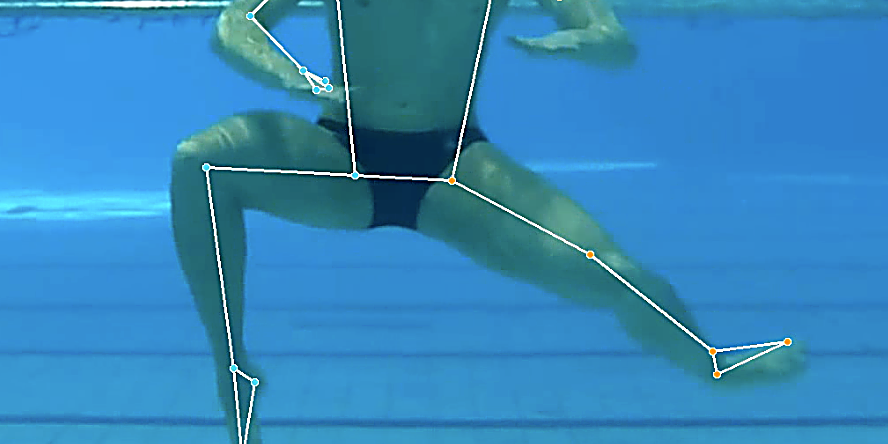
It gives an exact, joint-by-joint difference between her mechanics and a top player’s, at every point in the movement. That’s what turns "look more like a pro" into a specific, confident change: her body was being asked to mirror a pattern already proven at the highest level.
The gap wasn't in the whole eggbeater. It was in one side of it.
Her left leg moved less fluently through the cycle than her right, and less fluently than the professional's left leg at the same phase of the motion. The right leg already matched the reference, so the plan didn't spend time on it.
STAGE 03
The plan was built around that gap specifically: isolate the left leg so it can be trained and measured on its own, without the right leg compensating for it.
It ran as a four-week plan, with one exercise added to her regular training each day, about ten minutes on top of what she was already doing. Week one was isolated, out-of-water work for the left leg on its own. Every week after that moved the same movement further into a game-like context, until the final week had her performing it in the water inside realistic game situations.
That progression follows current sport science on skill acquisition: a technical skill sticks best when it's repeated across a range of different, increasingly realistic contexts through the block.
STAGE 04
The same computer vision model that found the gap ran again at intervals through the four-week block, checking her left leg against her right and against the professional reference each time.
That meant the gap's progress was visible while there was still time to adjust the plan.
Alongside the tracking, her performance in actual matches was followed using stats gathered across the same period.
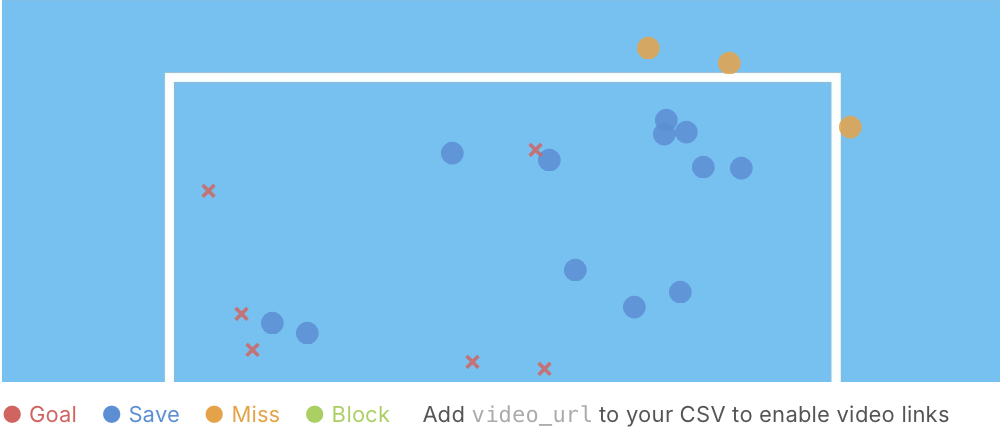
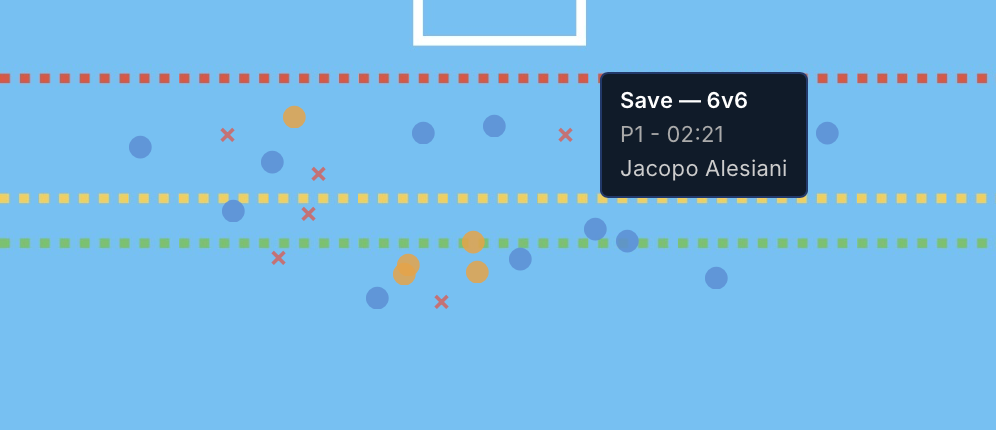
That gave a second, independent check on whether the technique change was actually showing up in games, on top of what the training data showed.
STAGE 05
Once the re-test and the match stats were in, the final review covered what had actually changed: the tracking data, the match performance, and what it meant in practice, plus what to maintain, what to check in on again down the line, and a few extra pointers that had come up along the way.
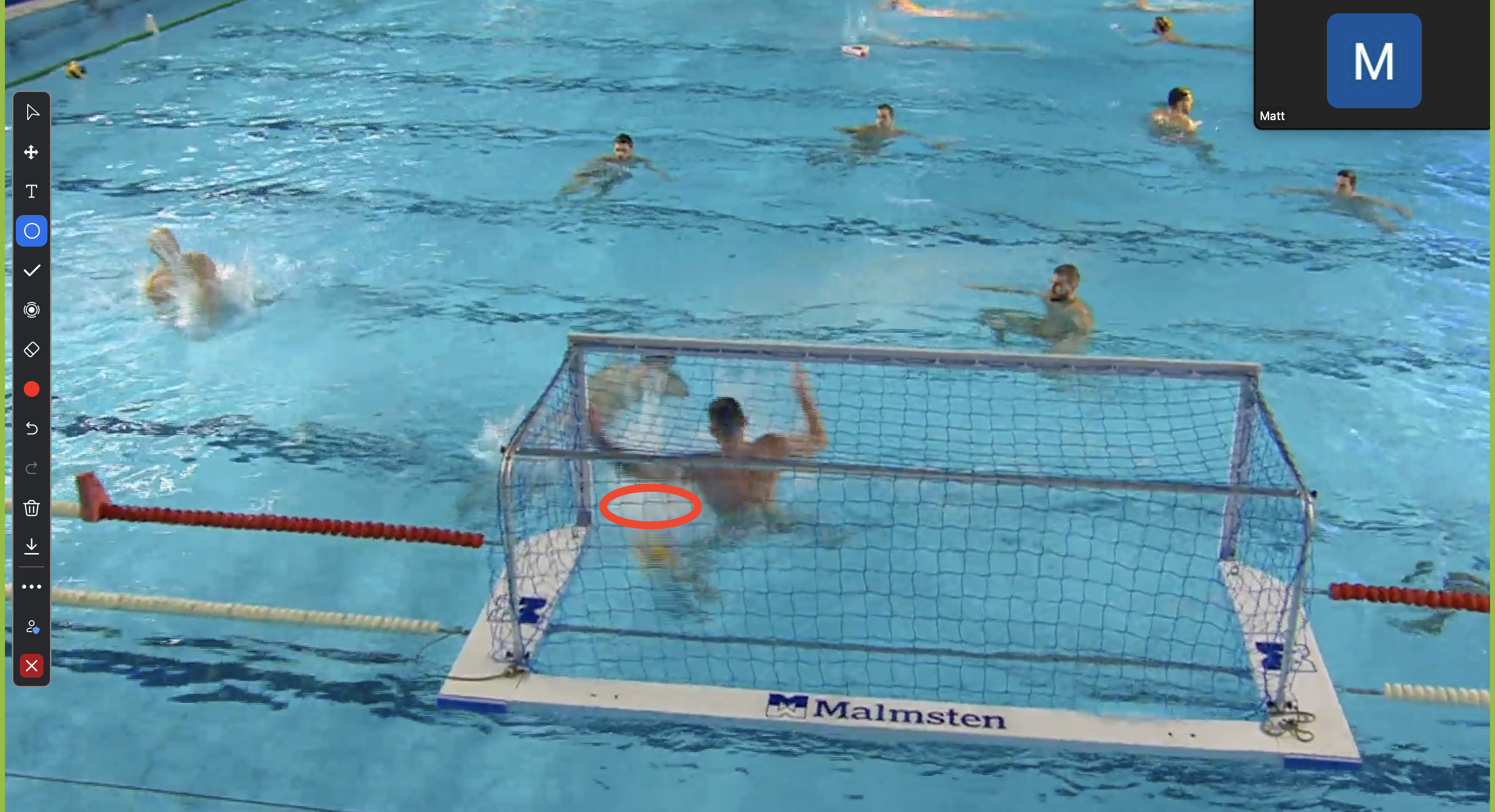
The last part of that conversation was simple: was she happy with how it went? Not just the result. The process too.
That matters as much as the data. An analysis that improves a number but doesn't work for the athlete isn't a finished job.
Just tell me what you're seeing, what you want to change, and send any footage you already have.
Start the conversation